Your Comprehensive Guide to Short-Term Trades: An Introduction to Day Trading
- loganlewis
- 1 de noviembre de 2026
- Sin categoría
- 0 Comments
US oil has an active inverse head and shoulders targeting $116, and daily closes above $… The stock traded roughly $59 to $64 on October 28 and 29 (around its third-quarter report), so that ceil… Mastercard (MA) is closing in on double factor resistance at $650, where two ascending trend lines meet on the daily chart. See how its $0 stock trades ($0.50 options), strong fixed income tools, and Ally Bank integration stack up. They now measure the equity in your margin account against the market exposure of your open positions during the trading day. You can hold a margin account with less than $2,000, but you can only trade with the settled cash you have available.
From my experience — consistent profitability in day trading comes from a combination of discipline, continuous education, and practical strategy what to do if you paid a scam broker application. Success in day trading requires understanding market trends, being able to analyze technical information, and executing trades efficiently. Yes, it’s possible to make money through day trading, but it’s not guaranteed. Traders look for securities moving significantly in one direction on high volume and try to profit from the momentum.
Day trading requires a high volume of trades — if a day trader executes fifty transactions, they must pay transaction fees fifty times over so every position must yield a profit that exceeds these transaction costs. Since this approach requires advanced technical skills and fundamental analysis the risks can vary between; most retail day traders lose money (and the losses trace to costs), leverage, and faster competition. The minimum capital requirement for day trading will follow the broker/platform own requirement which is vary.
Day trading courses may be worth it for experienced investors looking to learn the ins and outs of day trading. You can also get hands-on learning with top-notch day trading courses — which offer significant knowledge and market skills. All three are included when you add them to your membership (and together), they provide over 26 hours of material.

- You need to be comfortable making decisions with incomplete information and accepting that you’ll be wrong frequently.
- If you’re someone who enjoys fast-paced (high-stakes environments), then day trading might be for you.
- They typically aren’t concerned with fundamental analysis when trading.
- Here are some of the most popular questions about day trading strategies and platforms.
Top Indicators for Successful Day Trading
Company stocks are one of the most popular securities employed in day trading, as the market is large, trading costs are low , very low or absent commissions,, and there’s a lot of activity on a daily basis. Derivatives, such as contracts for difference (CFD) are popular instruments for day trading, as they allow short selling and the use of leverage , restrictions may apply,, which can magnify both profits and losses. As a beginner in day trading — it’s crucial to start with a few key technical indicators that are widely used and easy to understand. Day traders typically use leverage to magnify results , profit and loss, and short-term trading strategies to capitalize on small price movements in highly liquid assets. For PDTs, the maximum leverage available is typically 4x the excess balance above the minimum $25,000 requirement in your margin account.
Reset daily (trade with zero risk), and win real prizes. As founder and editor-in-chief of NewTrading.fr, he writes daily about financial trading. You can open an account for free and use its powerful screening and charting tools to start building and testing your own day trading strategy. The sad truth is that most people jump in and lose their shirts because they weren’t prepared to succeed.
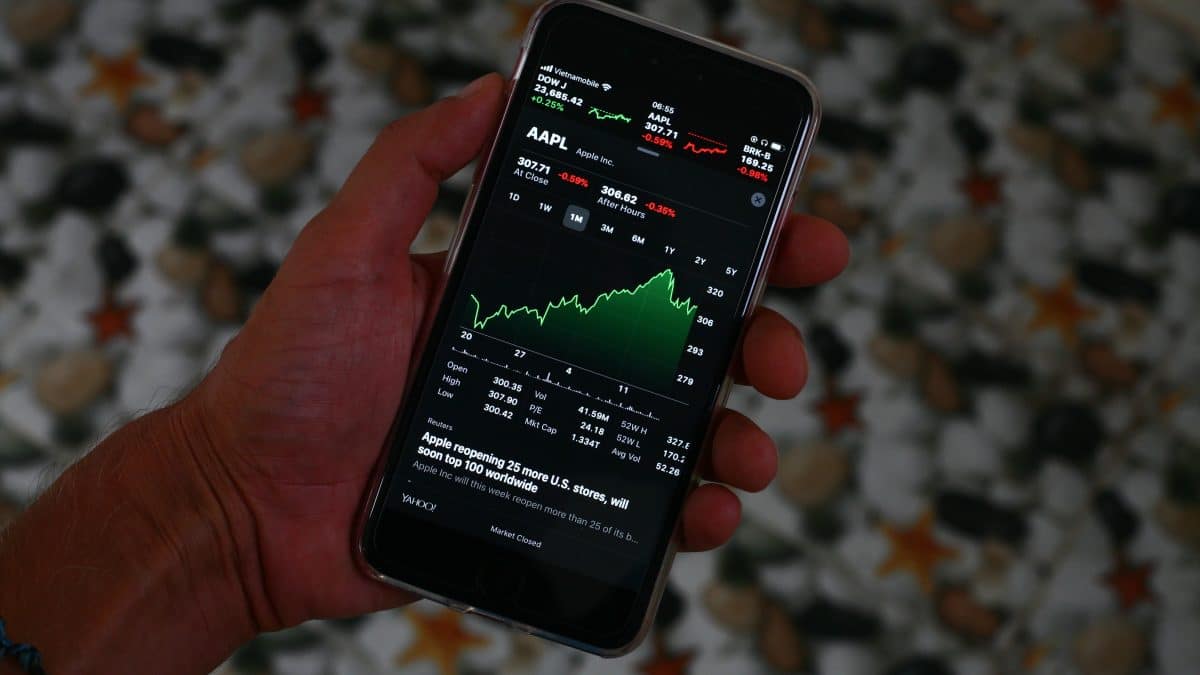
If you’re someone who enjoys fast-paced (high-stakes environments), then day trading might be for you. I’ve used a mix of these in different stock market conditions to maximize my profit potential. Keep an eye on commission fees and potential losses (because in this high-risk strategy), both can add up quickly. Earning with day trading is not a guarantee; it’s an opportunity. While day trading can be profitable (it requires dedication), hard work, and a willingness to learn from mistakes.
I focused on the S&P 500 as it typically reacts to significant movements in the gold market. Historically (when gold prices fall), investors tend to move away from safe-haven assets like gold and into riskier assets such as equities, causing the S&P 500 to rise. The S&P 500 is popular with short-term traders due to its high liquidity — volatility, and representation of the broader US economy. Day traders typically pay higher short-term capital gains tax rates. Long-term capital gains for assets held longer than a year are taxed at lower rates of 15% or 20%.